
Maintaining Camera Equipment in British Weather Conditions
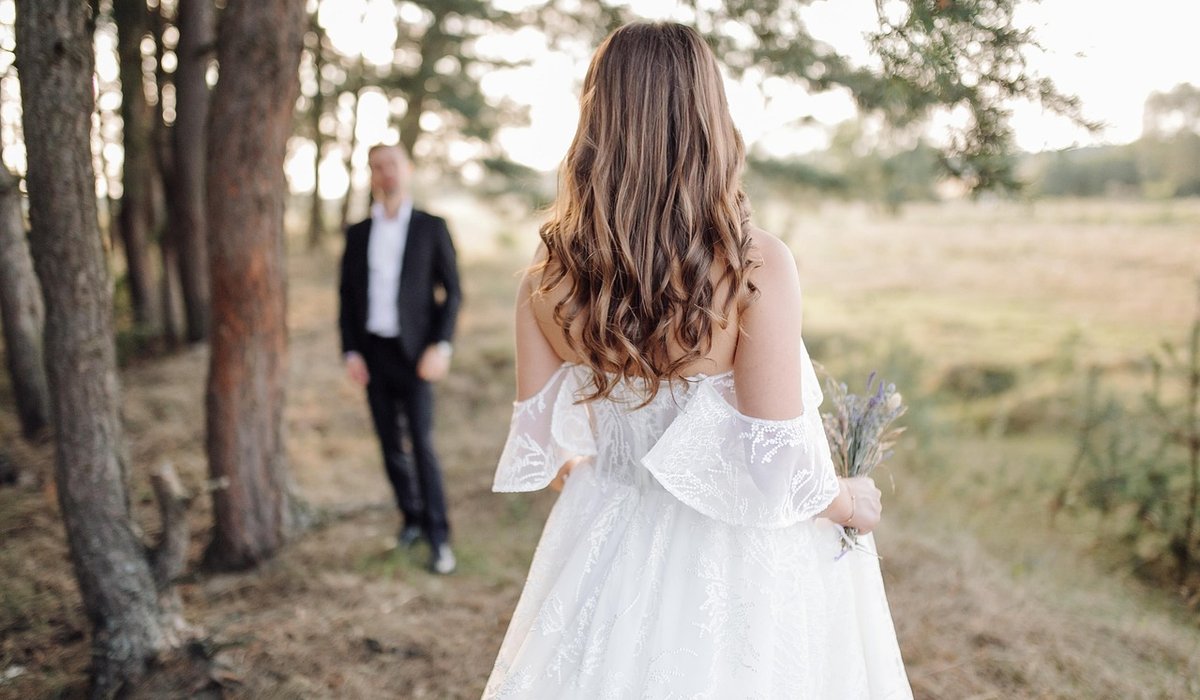
A wedding gallery is not a folder of photographs. It is a single story told across ten or twelve hours, and your editing has to hold that story together. The danger with batch editing is that it flattens everything into one look — soft prep shots and sweaty dance-floor frames treated identically until the whole day feels like the same picture repeated. The craft lies in speed and consistency together: move fast through the bulk, then slow down exactly where the images need you.
Start with a spine, not a preset
Before you touch a slider, decide what the gallery is about. For most UK weddings, that means warm but honest skin tones, greens that stay green rather than turning olive, and enough shadow detail to survive a dim village hall in November. Write it down in three words — something like "warm, calm, true" — and judge every preset against those words.
Pick three reference frames from the day and keep them pinned: one portrait in shade, one in direct sun, one under tungsten or mixed disco lighting. These are your anchors. Every preset you build is tested against them, not against a pretty image you found online. If a preset looks lovely on the first frame and muddy on the third, it is not ready.
Build a base preset that leaves room to move
Your import preset should be deliberately modest. It sets the camera profile, applies a sensible tone curve, adds a touch of clarity in the midtones and lifts shadows slightly. It should not crush highlights, add grain, split-tone heavily or push saturation. Big moves baked into a preset are the fastest route to inconsistency, because they behave differently on every lens, ISO and lighting condition across the day.
Useful base settings to consider:
- Camera profile matched to each body — if you shoot with two cameras, calibrate both so a frame from either lands in the same place.
- Lens corrections on, vignette reduction off — you want to control vignetting yourself, per image.
- Sharpening at a neutral starting point — output sharpening comes later, at export.
- No noise reduction beyond a baseline — high-ISO reception frames need individual attention.
Keep a second preset for tungsten-heavy rooms and a third for bright outdoor ceremonies. Three good presets used intelligently will always beat thirty used randomly.
Cull and sync in disciplined passes
Never edit and cull at the same time. First pass: flag the keepers, reject the blinks and the half-frames. Second pass: colour-label by segment — prep, ceremony, drinks, speeches, first dance. Third pass: edit the best frame from each segment properly, by hand, then select the rest of that segment and sync those settings across.
This "hero frame then sync" method is the backbone of fast wedding editing. A registry office ceremony lit by one window is one problem; solve it once and sync. The speeches in a marquee with warm uplighters are a different problem; solve that separately. Group by lighting and location, not by chronology, and your syncs will land far more accurately.
Review the highlights and skin tones by hand
Two things deserve your eyes on every single frame that goes out. The first is burned highlights — a white dress in July sun, a window behind the couple, a marquee roof at midday. Batch settings will happily clip those into flat grey blobs. Pull highlights down and check the dress detail at 100%.
The second is skin. Mixed lighting from a DJ rig will throw magenta or green casts into faces that a global white balance cannot fix. Use local adjustments, a selective colour tweak or a masked white balance correction on the subject. It takes fifteen seconds an image and it is the difference between a professional gallery and one that looks machine-made. People forgive a lot in wedding photographs, but they do not forgive orange faces.
Keep second shooters and styles aligned
If you work with an associate or second shooter, agree the camera profile and white balance approach before the day. Ask them to shoot a grey card or a plain white wall under each lighting change, and to do the same for you. These reference frames are gold when you sit down to edit two people's work into one gallery.
When you sync their images, apply your base preset first, then adjust for their exposure habits. If your second shooter consistently shoots half a stop brighter, correct that as a group before you do anything else. Consistency across two photographers is an edit problem, not a shooting problem, and it is entirely fixable.
Export, deliver and reuse the work
Export in two passes: full-resolution for print and high-quality sRGB for online. Check sharpening on a few images rather than applying it blindly — a dance-floor frame at ISO 6400 wants less than a bride's portrait in soft window light.
Once the gallery is delivered and the couple has shared it, that consistency pays you twice. A cohesive set of images gives you a proper portfolio sequence for your website, three or four social posts that clearly belong together, and a strong visual argument when you quote for the next wedding. That is the quiet commercial value of batch editing done well: it does not just save your evening, it makes your whole body of work look like it came from one confident hand.
LEAVE A COMMENT